Subscription Graveyard: How Forgotten Subscriptions Can Quietly Drain Your Money
Most people can tell you how much their mortgage or rent costs. Far fewer know exactly how much they spend on subscriptions each month.
Streaming services. Apps. Cloud storage. Music services. Gym memberships. Software. Premium memberships. News subscriptions.
Many start out as a small monthly payment. Over time, they become recurring expenses that quietly drain money from your account every month.
Welcome to the Subscription Graveyard.
What Is The Subscription Graveyard?
The Subscription Graveyard is where forgotten subscriptions go to take money from your bank account every month.
The problem isn't usually one subscription.
The problem is having lots of them.
Individually they don't feel significant.
Together they can cost hundreds or even thousands of pounds every year.
Why Subscriptions Are So Easy To Forget
Subscriptions are designed to be convenient.
Once set up, they often continue automatically. You don't need to make a decision each month. The payment simply happens.
Over time you may:
- ✗Stop using the service
- ✗Use it less often
- ✗Forget it exists
- ✗Assume you'll use it again one day
Meanwhile, the payments continue.
Common Subscription Traps
Streaming Services
- Netflix
- Disney+
- Amazon Prime
- Apple TV+
- NOW
- Paramount+
Do you genuinely use all of them?
Music Services
- Spotify
- Apple Music
- YouTube Music
How many do you really need?
Apps & Software
- Photo editing apps
- Fitness apps
- Business tools
- Productivity software
- AI tools
Many people forget about free trials that become paid subscriptions.
Gym Memberships
- A classic example.
Are you still using it regularly?
Cloud Storage
- Many people pay for storage they no longer need.
News & Membership Sites
- If you rarely visit the website, it may be time to review the subscription.
The Subscription Audit
Take 15 minutes today. Review your:
- →Bank statements
- →Credit card statements
- →PayPal account
- →App Store subscriptions
- →Google Play subscriptions
Write down every recurring payment. You may be surprised what you find.
Questions To Ask
For every subscription:
Do I Use It?
If not, why am I paying for it?
Would I Sign Up Again Today?
This is one of the most powerful questions you can ask. If the answer is no, consider cancelling.
Is There A Cheaper Alternative?
Many services now offer lower-cost plans.
Is It Helping Me Achieve Something Important?
Some subscriptions provide genuine value. Others simply continue because cancelling feels like effort.
Looking for more ways to identify spending leaks? See where your money is really going.
The £10 Rule
Many subscriptions cost around £10 per month. That doesn't feel like much. However:
£10 / month
£120 / year
£50 / month
£600 / year
£100 / month
£1,200 / year
The numbers can add up surprisingly quickly.
Want to see how small amounts can add up over time? See how compounding works.
The Goal Isn't To Cancel Everything
Buy Less Crap isn't about deprivation.
It's not about cancelling every service you enjoy.
If you use something regularly and it improves your life, keep it.
The goal is awareness. Keep what adds value. Review what doesn't.
Create A Subscription Review Habit
Once every three months:
- ✓Review subscriptions
- ✓Check recurring payments
- ✓Cancel unused services
- ✓Compare prices
- ✓Look for duplicates
A simple quarterly review can help prevent unnecessary spending. Pair it with the 24-Hour Rule to catch impulse subscriptions before they start.
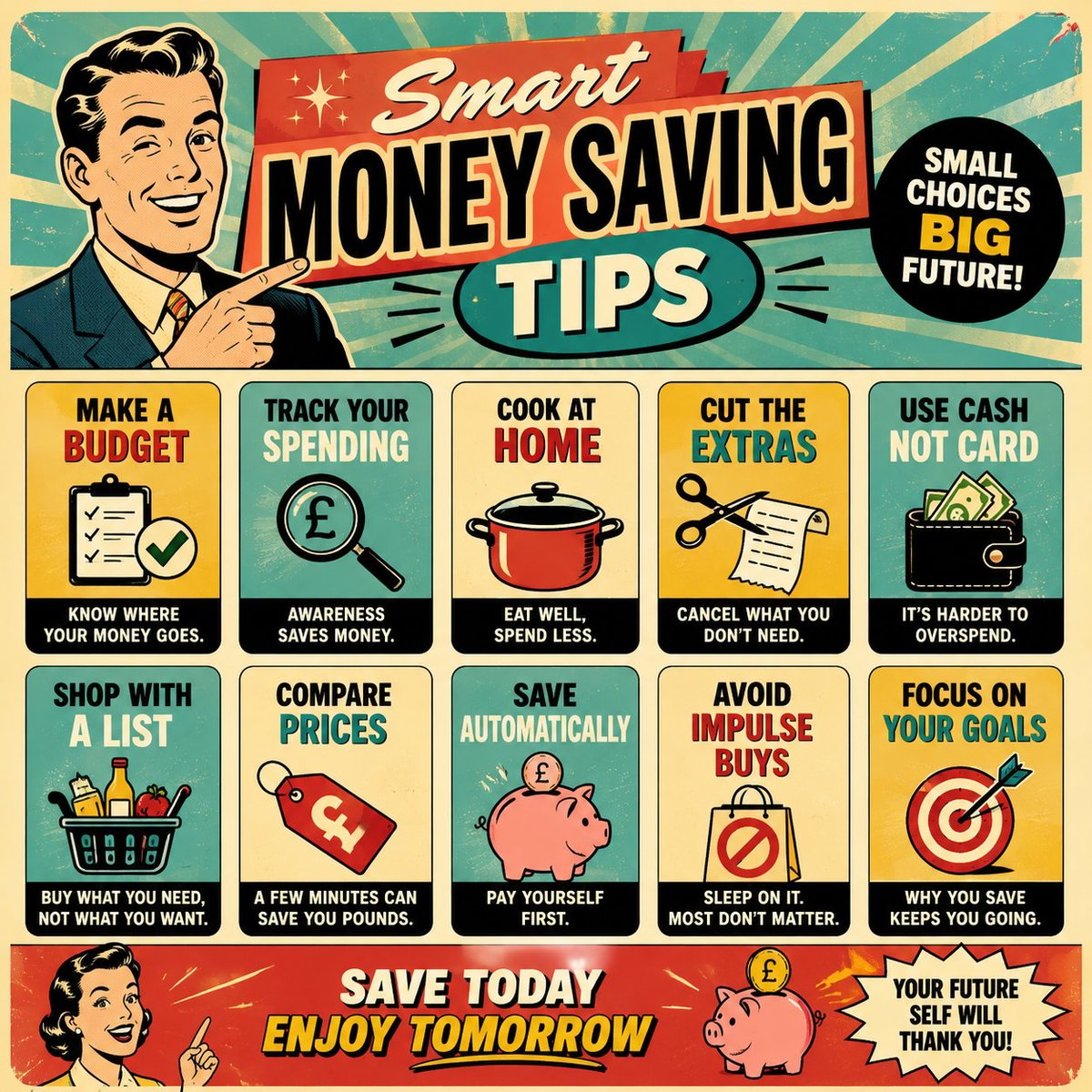
The Buy Less Crap Approach
Spend intentionally.
Keep what you use.
Remove what you don't.
Simple.
The money you save on unused subscriptions can be put to much better use. See how to start investing simply.
Frequently Asked Questions
How Often Should I Review My Subscriptions?
Should I Cancel Everything?
How Much Could I Save?
Are Subscriptions Bad?
Buy Less Crap. Create More Options.
Small choices today can help create more options tomorrow.
Related Articles
Important Information
FOR EDUCATIONAL PURPOSES ONLY
This page provides general information about spending habits, saving and personal finance. It is not financial advice, investment advice, tax advice or a recommendation to take any financial action. Steve is not registered with or authorised by the Financial Conduct Authority (FCA). Always consider your own circumstances before making financial decisions.